Fast Sarnia Top Rated General Contractor Services
How to Find the Ideal General Contractor for Your Home Renovation Project
Selecting the ideal general contractor is essential for a successful home renovation. Residents must consider multiple factors, including background, credentials, and ability to communicate. A thoughtful decision can prevent costly mistakes and guarantee a more seamless process. However, navigating through the selection process can be difficult. What key aspects should one consider? What questions are important during initial consultations? Understanding these elements can significantly affect the renovation experience.
What Kind of Experience Should You Seek in a Contractor?
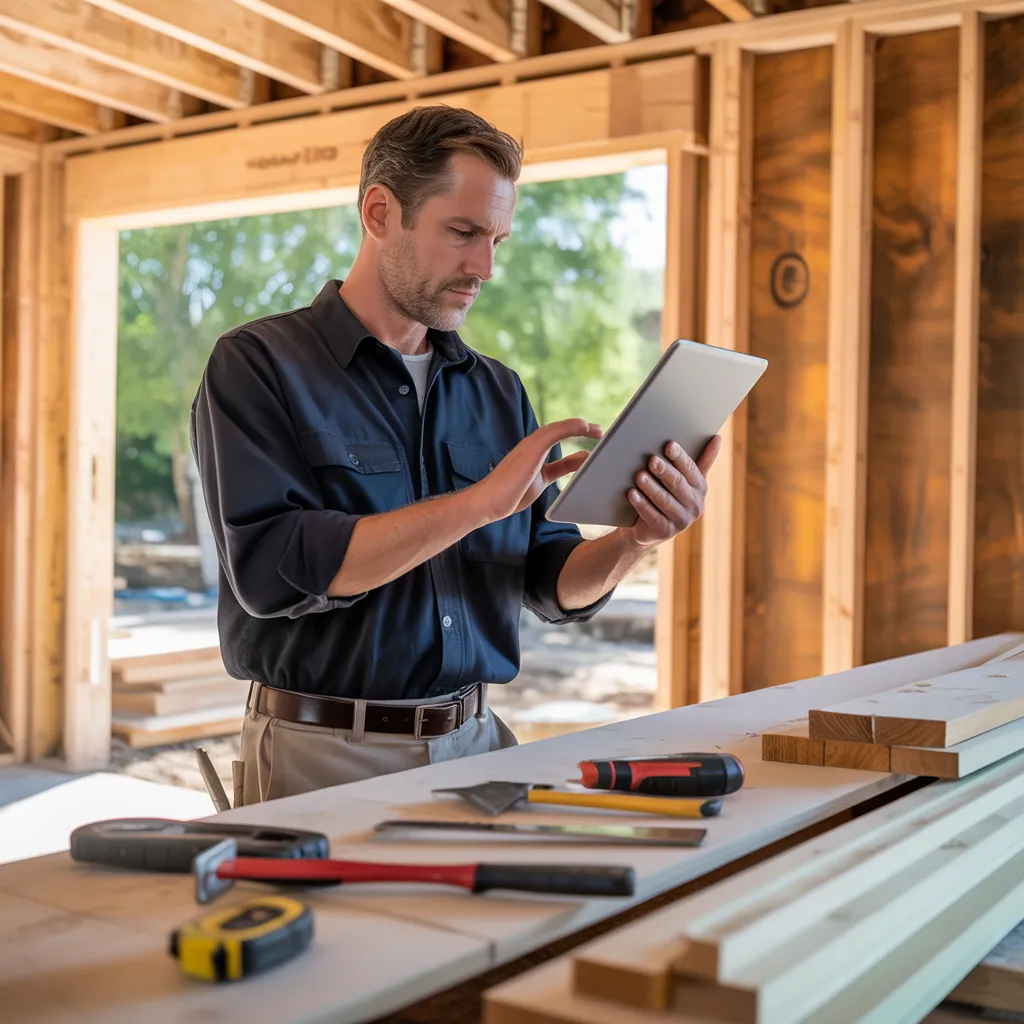
When choosing a professional contractor for home improvement, it is crucial to consider their professional background. A contractor's background can greatly influence the quality and efficiency of the renovation process. Initially, potential clients should search for contractors with a demonstrated history in similar projects, guaranteeing knowledge of unique challenges and effective solutions.
Moreover, extensive experience can reflect a contractor's ability to manage budgets, timelines, and subcontractors with efficiency. It is also beneficial to inquire about their portfolio, highlighting completed projects that match the homeowner's expectations.
Additionally, contractors knowledgeable about local building codes and regulations can assist in preventing possible legal complications. Lastly, a contractor's willingness to offer references from previous clients can offer insight into their dependability and professionalism. By carefully evaluating these aspects, homeowners are better equipped to make a sound decision when hiring a general contractor for their remodeling project.
How to Confirm a Contractor's Qualifications and References
How can homeowners guarantee they are hiring a qualified contractor? Confirming a contractor's credentials and references remains absolutely essential. The first step for homeowners is to check for appropriate licensing and insurance, making sure the contractor satisfies local requirements. This process can usually be completed through state or local licensing boards. Moreover, ensuring that the contractor holds liability insurance and worker's compensation coverage safeguards homeowners against potential financial liabilities.
Furthermore, homeowners should obtain references from past clients. A trustworthy contractor should offer a list of completed projects, including contact information. Reaching out to previous clients can offer helpful insights about the contractor's work ethic, ability to communicate, and adherence to timelines.
User reviews and ratings on platforms like Angie's List or Yelp can provide additional context. By conducting thorough research and gathering multiple perspectives, homeowners can arrive at a well-informed decision, improving the chances of a successful renovation project.
Which Questions Should You Raise During the First Consultation?
Once they have verified a contractor's qualifications and references, homeowners should get ready for the first consultation by preparing targeted questions. Important queries should focus on the contractor's expertise with related projects, including timelines and potential challenges. Homeowners should furthermore question the contractor's methods for managing projects and maintaining communication, guaranteeing they will be provided with frequent updates over the course of the renovation.
Furthermore, discussing the contractor's preferred subcontractors can provide insight into the quality of work expected. It is essential to inquire about necessary permits and how the contractor handles inspections. It is also wise for homeowners to gain a clear understanding of the payment structure and any preliminary expenses. Gaining insight into the contractor's warranty terms and their approach to resolving concerns after project completion is equally important. Through posing these specific questions, homeowners are better positioned to determine whether the contractor suits their goals and requirements for the remodeling endeavor.
How to Break Down Project Estimates and Contracts
Analyzing project estimates and contracts is essential for homeowners to understand the financial elements of their remodeling endeavor. Important factors such as materials, labor, and timelines are instrumental in the overall cost. Furthermore, clarifying contract terms confirms that every party maintains a mutual understanding of obligations and expectations.
Core Estimate Components
Grasping the fundamental aspects of project estimates is essential for homeowners and property owners undertaking renovations. A thorough estimate usually consists of labor expenses, material costs, and overhead charges. Labor costs account for the wages for experienced professionals, which can differ based on skill level and project scope. Material costs should itemize measurements and grades, helping homeowners judge quality and longevity. Overhead charges, covering licensing and insurance, reveal the contractor's operational costs. Furthermore, contingency funds are frequently added to address unforeseen linked article costs, providing for a smoother renovation process. Renovation clients should also look for a detailed timeline and billing schedule to define project milestones. Examining these aspects helps homeowners choose wisely and supports clear communication with their preferred contractor.
Contract Terms Explained
A comprehensive grasp of contract terms is essential for homeowners handling renovation projects. Contracts typically outline the scope of work, payment schedules, and timelines, ensuring all parties are aligned. Homeowners should closely examine the itemized estimates, which provide a detailed breakdown of expenses for materials, labor, and permits, providing transparency. Key terms to reflect on include change orders, which describe the process for addressing and pricing project modifications. Additionally, homeowners should be aware of warranty terms, which safeguard against issues with craftsmanship or materials. Understanding these elements empowers homeowners to make informed decisions and helps prevent misunderstandings or disputes during the renovation process, ultimately leading to a more seamless renovation experience. Thorough knowledge of contract terms is key to a successful collaboration with contractors.
Grasping the Value of Communication Style With Your Contractor?
How effectively a homeowner communicates with their general contractor can have a major influence on the success of a renovation project. A transparent communication approach promotes understanding and ensures that everyone involved stays on the same page regarding timelines, budgets, and expectations. Homeowners ought to evaluate how contractors communicate updates, whether through emails, meetings, or project updates.
A contractor who engages attentively and communicates responsibly can help alleviate concerns and address issues promptly. Furthermore, it is essential for homeowners to feel comfortable expressing their ideas and feedback. An open dialogue allows for collaboration, which can lead to better decision-making and innovative solutions.
When assessing prospective contractors, homeowners ought to evaluate how well they can engage in constructive conversations. This alignment in communication approaches can substantially elevate the complete renovation journey, guaranteeing that the project progresses smoothly and aligns with the homeowner's goals. At its core, open communication builds the basis for a thriving collaboration.
What Warning Signs Suggest a Contractor Isn't the Right Fit for You?
Recognizing warning signs in a contractor is vital to a smooth renovation project. Poor communication habits and insufficient licensing may indicate underlying problems that could impact the project. Property owners should stay watchful to make certain they hire a trustworthy contractor for their project.
Vague Communication Practices
Clear communication acts as the foundation of any successful home renovation project. When evaluating a general contractor, poor communication habits frequently indicate underlying problems. Key concerns involve inconsistent updates, unclear replies to inquiries, and trouble coordinating meetings. Should a contractor repeatedly miscommunicate project details or omit regular updates, it raises concerns about their commitment and reliability. Furthermore, insufficient openness about schedules, expenses, and procedures may suggest poor organization or a lack of professionalism. Qualified contractors ought to explain specifics and resolve issues in a timely manner. A contractor that evades honest conversation or ignores concerns probably does not value the homeowner's best interests, ultimately jeopardizing the project's success. Open communication remains critical for fostering trust and securing a successful home improvement journey.
Absence of Appropriate Licensing
Open communication is critical for establishing an effective partnership with a general contractor, but it is also essential to confirm that the contractor possesses the necessary qualifications. The absence of proper licensing serves as a significant red flag when assessing potential contractors. Certified contractors are often required to comply with state standards, ensuring that they possess the skills and knowledge necessary to handle renovation projects safely and effectively. It is important for homeowners to verify a contractor's license with local authorities or online databases. Moreover, an unwillingness to present licensing information or insurance documentation may indicate unprofessional conduct. Ensuring that a contractor is properly licensed not only protects the homeowner but also enhances the general success of the renovation project.
Popular Questions We Receive
How Can I Tell if a Contractor Is Insured?
To determine if a contractor is insured, one should request proof of insurance, such as workers' compensation and liability coverage. Confirming these records establishes that the contractor is held accountable financially for potential damages or accidents.
What Can I Do When a Contractor Fails to Meet Deadlines?
If a contractor misses deadlines, the homeowner ought to address concerns openly, review the contract for stipulations, and keep a record of delays. Looking for a resolution via discussion or professional mediation can help clarify expectations and maintain project progress.
What Are My Options for Handling Contractor Disputes?
To handle conflicts with a contractor, one should maintain thorough documentation of all exchanges, communicate concerns explicitly, and attempt to resolve matters through communication. If unresolved, explore mediation or consult legal counsel to preserve your legal rights and personal interests.
What Specific Permits Are Required for My Renovation?
Renovation permits are determined by local regulations and the overall scope of the work. Typically, building, electrical, plumbing, or zoning permits are required. Consulting with local authorities guarantees compliance and helps avoid potential legal issues during the renovation process.
How Can I Protect My Home During Renovations?
To safeguard a home throughout renovations, one should place protective coverings over floors, close off construction zones, ensure adequate ventilation, safeguard important possessions, and establish clear dialogue with contractors about safety protocols and project timelines to limit disturbances.